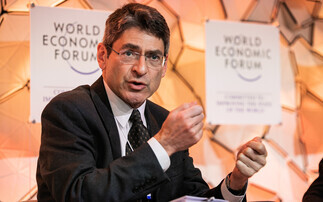
James Baxter-Derrington, editor
As we received the final nonfarm payrolls before the Fed offers its next interest rate decision, the conversation has turned to semantics – will rates remain ‘high for longer’ or ‘higher for longer’?
Opening his team's monthly economic and financial analysis, ING global head of macro research Carsten Brzeski suggested their base case scenario sits at ‘high' rather than ‘higher', predicting the Fed, ECB and BoE are likely done with hikes.
However, this was published yesterday, ahead of today's revelation that US jobs growth had not just been in positive territory, but almost doubled expectations.
A recession is (very probably) coming
Markets had been anticipating 170,000 jobs to be added, but with the figures showing 336,000, those very markets rejigged their expectations from next month's Fed meeting.
Yesterday, no change in rates sat at 79.9% probability but this has since been cut to 66.1%, as the markets become receptive to the idea hikes may not yet be concluded, according to CME FedWatch Tool.
While this isn't necessarily a sign to bet on rates pushing 6% by the end of the year, it's a healthy reminder that investors should consider a wide range of possibilities in the coming months.
(Remember Jamie Dimon's 7% comments? He doubled down on those this week.)
Before the UK saw a surprise drop in inflation on 20 September, markets were convinced of a rate hike. Instead, by the slimmest margin, rates were held where they stood, proving no decisions are made before we hear them.
Brzeski noted a variety of factors that may well affect the trajectory of rates, including increasing oil prices, fears of sticky inflation and debt sustainability issues across the US and eurozone.
However, he also argued that interest rates might not be the most helpful figure to focus on, arguing instead longer-term interest rates are now key.
Bank of England rate setter Catherine Mann breaks ranks with gloomy inflation prediction
10-year US Treasury yields were pushed within touching distance of 5% off the back of the jobs data, peaking at a near 16-year high of 4.86%, while 10-year gilts reached 4.65%.
Although gilts have had a bumpier ride, both sides of the Atlantic have seen these figures endure a steady upwards trajectory, reflecting that markets are perhaps finally buying the idea these rates may well be, at the very least, high for longer.
While this would appear a positive for central banks, Brzeki argued central bankers should be concerned over this familiarity with high for longer.
"The increase in longer-term interest rates has the potential to push both the US and the eurozone economies not only into recession but also to break something somewhere," he said. "The irony of such a scenario would be that the more financial markets believe in ‘high for longer', the higher the chances are that central banks will actually cut rates.
"It's a very inconvenient truth for central bankers."
This article was first published on 6 Octobre as part of the Friday Briefing series, which is available exclusively to IW members each week. Sign up here to receive the Friday Briefing to your inbox each week.