OPINION - UK
Categories: UK
Topics: Government | | Bank of england | Sterling | Aig
Sterling hit a 10-month low against the dollar last week, to the clear surprise of many advisors.
While they understand the dollar has surged, despite the undiminished size of US budget, because the greenback is regarded as a safe haven in a world with not many certainties, why has sterling crumbled?
Well, here is the thing. Unlike most of the UK population, which recent reports found struggled to divide 0.25 by 0.5, the markets and those who trade them love numbers. They are not too good with words (more of that later), but love data, figures, statistics and ratios. They turn them upside down, inside out, back to front and shake them all around. By the time they are finished, there is not much left to discover.
And having done that to sterling’s fundamentals, they conclude it is actually a thin, weedy, malnourished excuse for a currency. And worse than that, it is a braggart. It reckons it is well tough, and deserves respect.
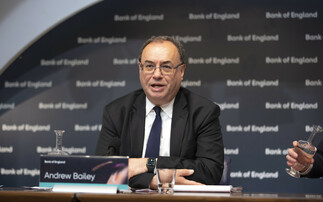
The Bank of England would have us believe sterling’s present weakness is being managed. This does not inspire confidence. If it is, they must be holding the plans upside down, because it is going altogether the wrong way. Not at all, claim its defenders, weaker sterling is great for our exports, for inward investment and for tourism.
The brutal fact is UK Plc is greedy for imports but has not had a significant export capacity for decades.
We are no longer a hugely desirable location for new business, not to mention our demographics, savings habits and personal work ethics. Tourism – well, there is no accounting for taste. Some people go to Dubai on holiday.
Sterling is said to benefit from not being in the eurozone. We are not constrained, for example, by the economic requirements of Portugal, or Iceland (whatever we promised them at the time). This is true. Our government still has its hands on the fiscal and monetary policy levers, and has shown it is not afraid to play with either or both at the same time, in the manner of a determined arcade gambler.
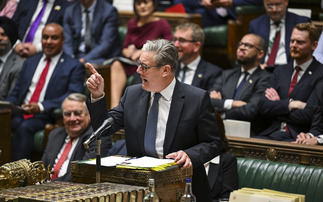
The looming general election is now exercising the market. Doubts began some months ago, when the Opposition was given the chance to say how exactly it would cut spending to claw back the budget deficit, and it declined to do so. It gave the unfortunate impression that the leadership did not have the steel necessary to do budgetary battle, and still does not.
We know what the present Government can and cannot do. It will raise taxes rather than cut spending. The other lot will do the opposite. The ones inbetween will do too much of both, or too little of each. And still the deficit grows, while hopeful corporates (Prudential needs £23bn to buy AIG’s Asia business) inundate the soggy market with issuance.
Those numerate traders look at this in glee and awe, and try out sterling’s defences.
Astonishingly, such forays are met with policy bluster (which they entirely misunderstand, not being good with words). So sterling gets pushed a little harder, with the same result.
A similar scenario was played out in 1992, when the pound was ejected ignominiously from the European Exchange Rate Mechanism. “Speculators” were vilified at the time for targeting our sovereignty, but they gave the authorities plenty of warning, then as now, by repeated testing of the support levels for the currency.
In one extraordinary day (which the then Chancellor, Norman Lamont, notoriously spent holed up in Whitehall, calling helplessly for a transistor radio to try to track what was happening) interest rates went from 10% to 12% and then to 15%. On trading floors around the world, there were whoops of disbelief. Or joy, actually. This was a clear signal for a fight they knew they would win. And they did. The difference this time is that the bounceback will be far slower, because the underlying economic fundamentals for sterling are far worse.
The politics are more uncertain. How will policy be conducted with a hung parliament? It is a perfect storm for sterling.
But not everyone will get wet. One investor’s deluge is another’s delight.
Comment? Write to Caroline.Allen@incisivemedia.com
Categories: UK
Topics: Government | | Bank of england | Sterling | Aig
COMMENTS
THE BIG QUESTION
DIGITAL EDITION
@INVESTMENTWEEK