FEATURE - EMERGING MARKETS
Fidelity's Nick Price on how best to invest in South Africa as it comes under the World Cup spotlight.
This summer’s football World Cup in South Africa will shine the spotlight of world attention on the country. The event comes at a time when investors are rediscovering their appetite for risk assets, and in spite of the more cautious start to the beginning of this year compared to the end of last, emerging markets remain hot property.
The investment case for shifting growth-seeking assets to emerging markets is very clear. Among other things, developed markets’ public and consumer debt will mean the scars of the financial crisis run deep and are very likely to provide resistance to future growth. Emerging markets, however, powered by growing, young, dynamic populations have sprung back from the global recession and are forging ahead with rapid growth plans. The difference is made no clearer than by the Chinese authorities tightening their fiscal stimulus at the same time the US Fed reinforces its intentions to keep rates extremely low for an extended period.
The Beijing Olympics highlighted Chinese strength and World Cup organisers hope the same halo shines above South Africa this summer. Estimates of just what staging a World Cup finals is worth vary. The consensus seems to settle on a boost to GDP of around 0.5%, fuelled mainly by the spending power of 350,000-plus foreign tourists descending upon the country with their wallets full of holiday spending money. The experience of past events like the Olympics and previous World Cups also shows a boost to domestic consumer spending.
The positive publicity surrounding the World Cup will generate a huge surge of goodwill towards the country and being the first African World Cup finals, this will rub off in the rest of the continent. It is possible the tournament will help the continent progress towards shifting its long-held image as the world’s begging bowl.
The obvious investment opportunities in the build-up to the event are in the flagship infrastructure projects that have delivered new or upgraded stadia, roads, railways airports and communications networks. But because the final coat of paint is now drying on most of those projects, the opportunity for most investors has already passed.
Sectors that stand to benefit this year include obvious plays like leisure and tourism and perhaps others such as drinks manufacturers. But even at this early stage of the year, I think most of the opportunity is priced in to these stocks. Investors need to look a little harder to find the best investments.
The real opportunity in South Africa is bigger than the World Cup. Yes, the event is a colourful distraction and will provide a much-needed shop window to the region, but the real opportunity is the long-term secular growth trends in South Africa and in the wider continent.
South Africa is in a unique position in the continent, with a disproportionate influence on the local and global stage. Its economy and financial markets are by far the best developed in Africa and as a result the country is often the gateway to opportunities in the wider continent.
Africa is one of the least researched of the emerging market regions and so hides some of the best-value opportunities for pioneering investors willing to do their homework. It is well known the continent is rich in natural resources with oil and precious metals. Familiar emerging market investment arguments also apply to the continent, including consistently high GDP growth, the considerable and growing low-cost labour force and its rapid rate of productivity growth. And other secular trends support the region such as the continent’s fast-growing consumer sector.
The continent is one of the few regions of the world to have avoided recession in 2009 and has emerged from the financial crisis relatively unscathed. Africa’s exposure to the Western developed world is shrinking and in its place are growing ties with the new global economic powerhouses such as the Brics (Brazil, Russia, India and China). An illustration of this is China has just displaced Germany as South Africa’s leading trading partner.
The trade in platinum is an example of how these ties have helped the country avoid the worst of the financial crisis. South Africa dominates the world’s platinum production for which the main use is auto catalytic converters. Last year’s slump in car sales would have had a greater impact on platinum miners were it not for the vast quantities they were able to sell to China’s growing platinum jewellery market. Demand will soon swing back to the car market, especially in emerging markets, and the prospects for South Africa’s platinum producers remain bright.
Particular companies are capitalising on closer ties between Africa and the Brics. Naspers, for example, is a media conglomerate based in Cape Town with interests in pay-TV, internet and print media. Its core cash-generating business is pay-TV in Africa from which, with limited competition, it derives 60% of its profits and is growing at 8% a year. But with exposure to Brics through significant stakes in local media companies, the company’s overall revenue has grown 30% year on year. A jewel in Naspers’ crown in a 36% stake in China’s leading social networking platform, Tencents. And with Tencents’ dominant and growing penetration into China’s 330 million internet users, Naspers is an exciting prospect.
South Africa may not have the advantage of the Brics’ size but is capable of using this to its advantage. Its population of less than 50 million means many nimble companies focus on flexibility and adaptability rather than sheer volume. And the country’s position as Africa’s keystone means businesses are very able to exploit the vast market beyond their immediate borders.
Africa’s virtual competitive void is an opportunity for companies who provide for the continent’s growing consumer population. Shoprite is a low-cost food retailer, based in South Africa, but with outlets in 17 African counties and beyond. Its coverage across the continent is vast and a staggering 60 million customers shop in its stores every month. Like Naspers, it enjoys little competition and has grown a dominant position in its sector. Not resting on its laurels, it is expanding into Africa at 30% a year. Compared to its few direct competitors, it offers stronger growth credentials, as well as a stronger balance sheet.
Adventurous growth-seeking investors will undoubtedly find emerging markets rich with opportunity in the coming years where it seems the biggest risk could be that of chasing bubbles. For all the international attention South Africa will receive this World-Cup year, investments in the region remain attractively valued in comparison to other emerging markets.
In the growing African market, South Africa is in a unique position and offers investors a genuine competitive advantage.
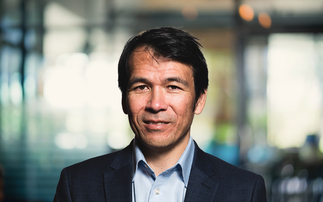
Nick Price is portfolio manager of the Fidelity Emerging Europe, Middle East and Africa fund
Categories: Emerging Markets
Topics:
COMMENTS
THE BIG QUESTION
DIGITAL EDITION
@INVESTMENTWEEK